

Search Theory in the Age of AI
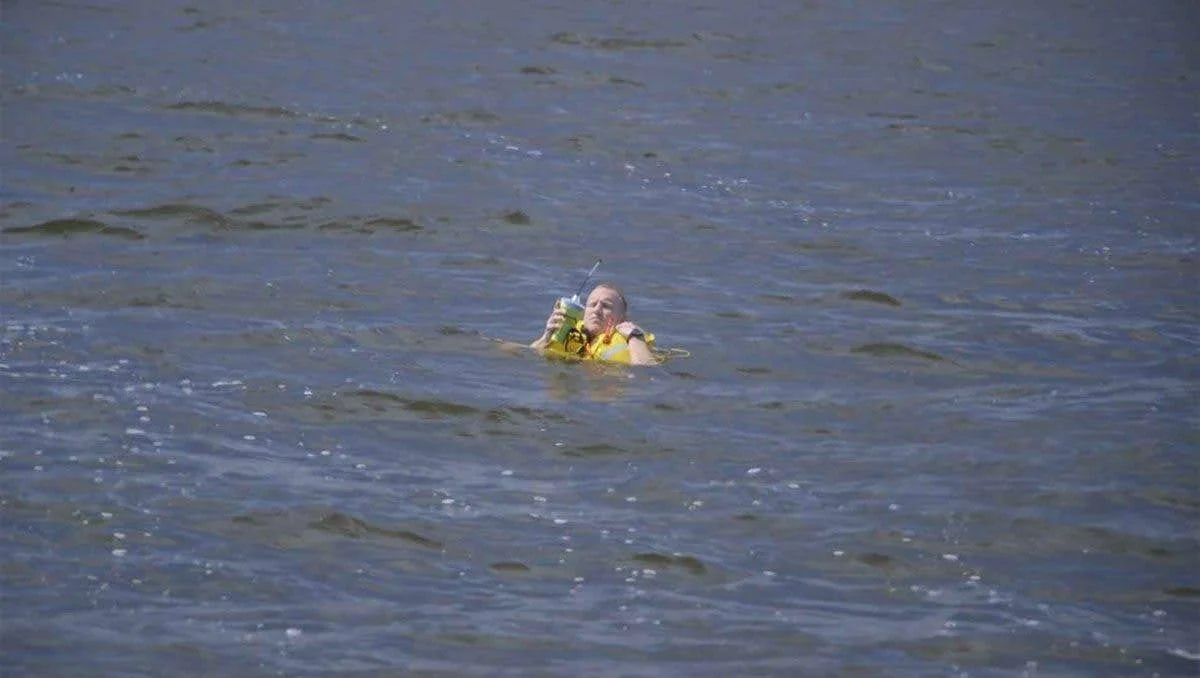
If you fall into the water, even with modern aircraft, sensors, and highly trained rescuers searching for you, the odds of survival remain dauntingly low. The physical limitations of human searchers are well documented. Today, new technologies are reshaping this landscape. Yet a fundamental challenge remains: the lack of a common framework to measure, compare, and validate these technologies. Read about IASARC’s new Science & Technology Workstream and how it’s helping ensure every SAR practitioner—wherever they operate—has access to validated, effective tools and the knowledge to use them.
Transforming Search and Rescue: Emerging Technological Advances in SARSAT
Around the world, Search and Rescue (SAR) personnel rely on accurate, timely information to save lives. In the United States, the Search and Rescue Satellite-Aided Tracking (SARSAT) Program continues to evolve, strengthening this mission every day. Several significant advancements are now coming into view—advancements that promise to deliver faster detection, more reliable location data, and meaningful communication with people in distress.
Volunteerism in Global Search and Rescue
Although rendering aid to those in distress, whether on land or sea, is an inherently governmental responsibility, the majority of rescuers around the world are volunteers. These selfless heroes, hailing from a variety of charities, nonprofits, and non-governmental organizations (NGO), are the backbone of the world’s search and rescue (SAR) enterprise, without which, thousands would be lost every year. Recently in the U.S., the Occupational Safety and Health Administration (OSHA) has come under fire from a number of U.S. senators regarding its proposed Emergency Response Standards.
Governments, Industry, and NGOs unite to Advance Maritime Search and Rescue.
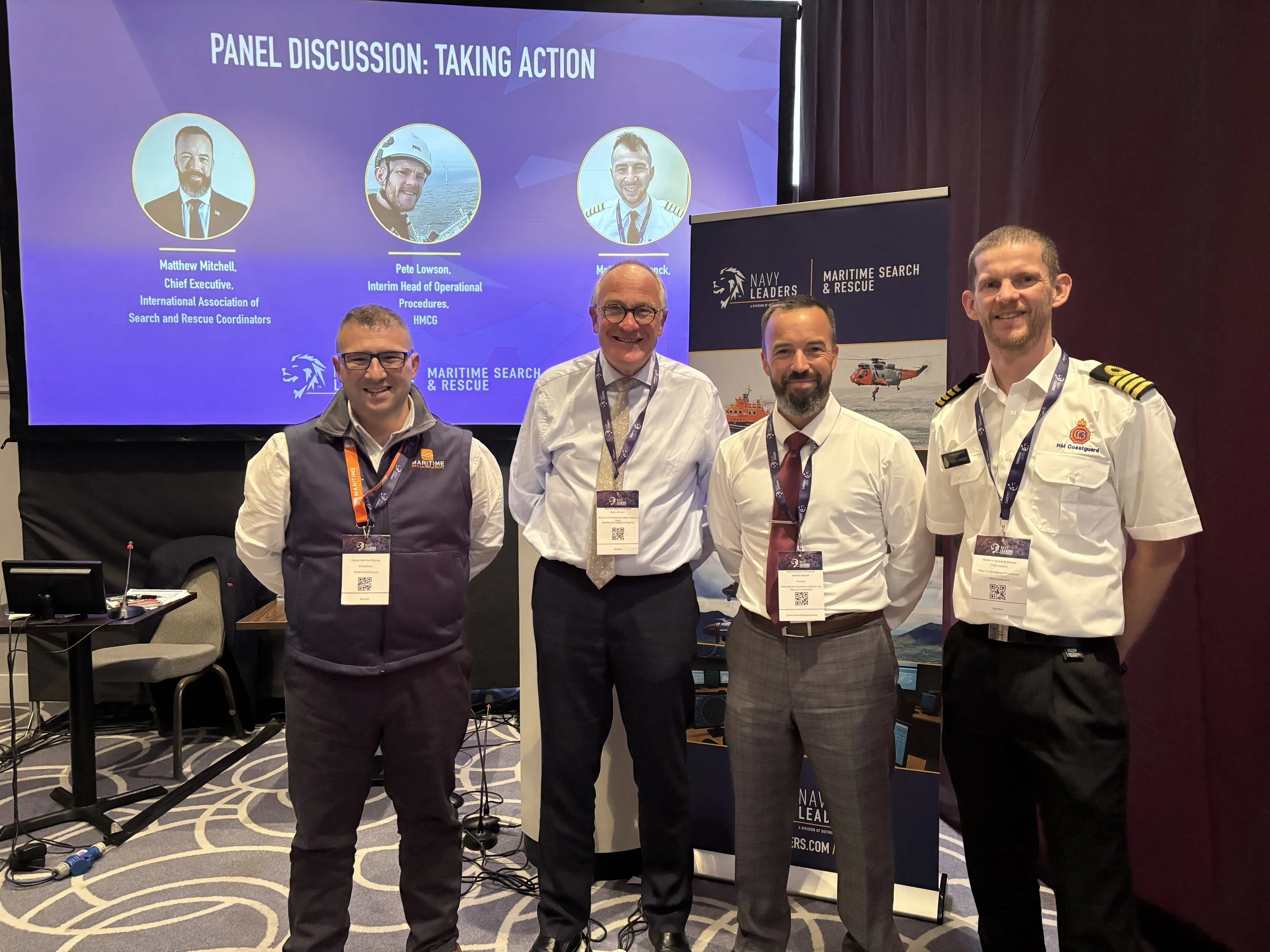
The team of the International Association of Search and Rescue Coordinators (IASARC) had the opportunity to present at the 2025 Maritime Search and Rescue Conference in Southampton, UK. The event drew more than 450 attendees from 40 countries and included over 70 companies. IASARC’s contributions to the conference included a presentation on the psychological aspects of decision-making in search and rescue coordination, as well as representatives sitting on an expert panel focused on the future of search and rescue, alongside the Maritime SAR Council and His Majesty’s Coastguard.

Piper Alpha: Remembering the Tragedy, Honouring the Lessons
On the night of 6 July 1988, the Piper Alpha oil platform, located around 120 miles northeast of Aberdeen, suffered a series of explosions and fires that ultimately destroyed the installation. Of the 226 people on board, 167 men lost their lives, and it remains the world’s deadliest offshore oil disaster. The Piper Alpha tragedy triggered sweeping change across the offshore oil and gas sector—not just in the UK, but worldwide.
Why IASARC Certifications
SAR coordination certifications are critical for organizations to establish credibility and validate that they possess the expertise required to perform their role within the Global SAR System. Certification creates measurable benchmarks, builds interoperability, and strengthens trust. This article examines why credentialing matters and how unified standards can transform life‑saving operations.
Why We Fail: Solving Life-Saving’s Most Demanding Challenges
Life‑saving missions often fail not from lack of effort, but from systemic blind spots. Human searchers are inefficient, a lack of sensor technology data causes a disconnect with search theory, and AI solutions remain untested. With private sector advances in autonomous detection, the challenge is developing rigorous methods to evaluate performance and integrate AI into real operations.
Why Coordination? The Most Neglected Component of Search and Rescue
Search and rescue is often framed as a test of endurance and skill. But the real test is coordination. It’s the invisible architecture that aligns people, plans, and resources. Neglecting it undermines every other investment. Prioritizing coordination is not optional—it’s the difference between chaos and a coherent, life-saving response. Coordination is the missing link in search and rescue. IASARC provides the structure, training, and leadership to turn chaos into a unified, life‑saving response.
All Available Resources: Partnering to Advance the Global SAR System
Engrained in the ethos of this enterprise is the ideal that saving lives must take advantage of all available resources. Learn about a recent effort for a new IASARC partnership that will leverage the vast network of Global SAR Resources throughout Asia to inform and improve IASARC’s SAR coordination certification program.

The Global Search and Rescue (SAR) System
What exactly is the Global SAR System? In a single sentence, it is a network of organizations and resources that collaborate to support individuals in distress. But it is so much more than that. To offer our readers and the global SAR community a better and more profound understanding of the world’s critical lifesaving system, I turn to a dear friend and colleague, Mr. Rick Button, who is the Chief, Coordination Division, Office of Search and Rescue, U.S. Coast Guard Headquarters, Washington, D.C., and the Secretary, U.S. National Search and Rescue Committee.

The Contemporary Problem of Search: Search and Rescue in the Digital Age
The Contemporary Problem of Search can be summed up in a word: pixels. The pixel can be collected from an aircraft, surface vessel, drone, or satellite. But how do you turn the collected pixels into actionable information that search and rescue (SAR) responders can use to save lives?

Safeguarding the World’s Sailors
During an international search effort for a missing sailor who is believed to have gone overboard from the USS George Washington, a question inevitably comes to mind: What if they didn't have to search in the first place?

A Look into the Life of a Selfless Hero
Pete Comer is far too humble to accept praise or allow himself to be in the spotlight. Nevertheless, his story is worth telling, not for his benefit, but for our inspiration.
Disney Overboard Case and Man Overboard Detection Technology
The young girl who fell from the 4th deck of the Disney Dream cruise ship on June 29th was fortunate to have the world’s best man overboard (MOB) detection system on watch – a vigilant parent.